At 2am, coffee is no longer about ambience. It is about access.
For Eeyong Ho, founder of Otter Barista, this everyday frustration became the starting point of the business. Otter Barista was built to deliver café-quality coffee wherever people need it most, without relying on the traditional café model.
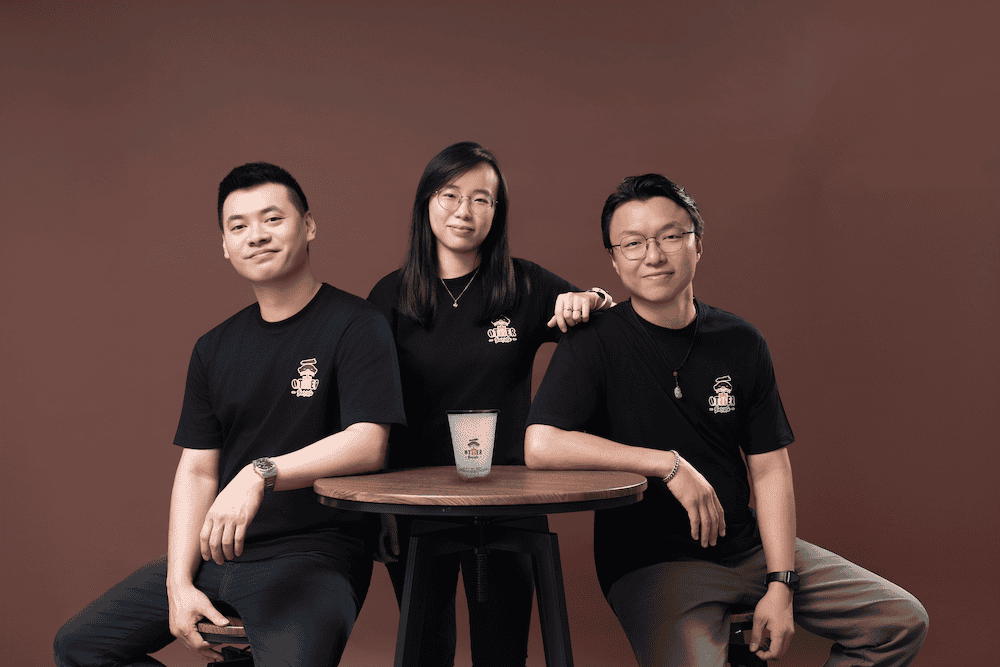
Before starting Otter Barista, Eeyong was working as a cybersecurity consultant with a background in chemical engineering. Coffee was part of her daily routine, but she kept running into the same issue. Good coffee was either too expensive or too inconvenient to get.
Instead of accepting that trade-off, she questioned the structure behind it.
Cafés are inherently expensive to run. Rent, manpower, and location constraints make them difficult to scale and limit where they can operate. Otter Barista was built on a different premise: remove those constraints while maintaining quality.
Rather than opening cafés, the company focused on deploying smart coffee vending machines in high-demand environments such as offices, hospitals, and universities. This allowed them to serve a different type of customer who prioritises speed, convenience, and consistency over ambience.
From the start, Otter Barista was not trying to compete with traditional vending machines. It was built to match café standards.
The biggest challenge was perception. Vending machine coffee has historically been associated with low quality, and overcoming that required a strong focus on product and process.
“If the coffee is bad, nothing else matters.”
Eeyong Ho, Founder & CEO of Otter Barista
This principle shaped the foundation of the business. From freshly roasted beans to brewing each cup on demand, the goal was to ensure that convenience never comes at the expense of taste.
At the same time, the experience had to be seamless. Customers can order, pay, and collect their drinks quickly through an automated system, removing the typical waiting time associated with cafés.
In the early days, Otter Barista was a hands-on operation. It started with a few machines, constant iteration, and learning directly from customer behaviour.
Small improvements made a significant difference. Early machine designs, for example, were too corporate and failed to attract attention. Refining the branding and user experience helped improve engagement and adoption.
As the business expanded, growth came not just from adding more machines, but from understanding where the model worked best.
One of the most important insights came from hospitals, a segment that was not initially the primary focus.
“You want people who come back daily, not just once.”
Eeyong Ho, Founder & CEO of Otter Barista
Hospitals provided consistent demand, round-the-clock usage, and the ability to scale across multiple locations through a single relationship. This shifted Otter Barista’s strategy from targeting high foot traffic to focusing on high-frequency communities.
While the concept is straightforward, execution becomes significantly more complex at scale.
Expanding across multiple locations introduced new challenges such as securing approvals from building management, maintaining machine uptime, and ensuring consistent product quality.
Unlike cafés, where operations are centralised, Otter Barista operates a distributed network with machines running around the clock.
To manage this, the company built internal systems supported by IoT monitoring, allowing them to track machine performance, inventory, and issues remotely. This shift from manual oversight to system-driven operations was critical in enabling further expansion.
One of the most important turning points in the business was the introduction of its web app.
Initially, Otter Barista had limited visibility into customer behaviour. Transactions happened, but insights were minimal. The app changed that.
“Before the app we were essentially guessing. After the app we actually knew our customers.”
Eeyong Ho, Founder & CEO of Otter Barista
With the app, Otter Barista was able to better understand purchasing patterns, introduce loyalty and rewards, improve retention, and make more informed decisions on machine placement and promotions.
This marked a shift from being purely a hardware deployment business to becoming a data-informed, customer-driven platform.
As Otter Barista scaled, Eeyong joined the NEXEA Entrepreneurs Programme. The programme provided access to a strong network of founders and experienced mentors.
Rather than building in isolation, it created a space for practical discussions and shared learning. For founders navigating operational complexity, having access to people who have gone through similar challenges helps accelerate decision-making and avoid costly mistakes.
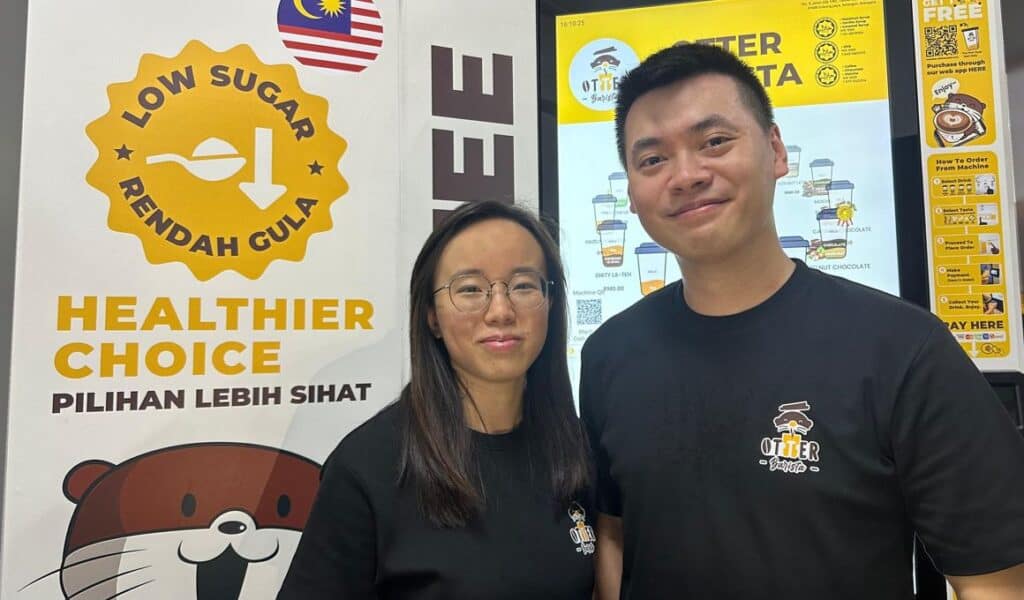
Looking ahead, the focus is on scaling strategically.
In the near term, the goal is to expand to 300 locations through partnerships with organisations that manage multiple sites, particularly in healthcare and corporate environments.
Beyond that, there is growing opportunity in B2B, where companies provide coffee solutions as part of their workplace offering, as well as potential collaborations with larger F&B players.
At its core, the model remains the same: deliver consistent, high-quality coffee in places where people need it most.
Otter Barista is a strong example of how innovation does not always come from creating something entirely new, but from rethinking how an existing product is delivered.
By removing the constraints of traditional cafés and focusing on operational efficiency, location strategy, and customer behaviour, the company has built a model that is both practical and scalable.